
Email and calendar control for busy teams
Microsoft Outlook is built for people who live in their inbox and calendar, combining email, meetings, and contacts in one place. With Focused Inbox and Conversation view, it helps cut noise and keep threads readable when projects get hectic.
Top Recommended Alternative

For daily planning, Microsoft Outlook supports Calendar scheduling so appointments stay tied to messages, and follow-ups don’t slip. Rules and alerts can route mail automatically, while Advanced search pulls older details fast across large archives. Add Task flags for lightweight tracking, and the workflow stays steady even under high message volume when multiple stakeholders need quick answers and clean timing daily.
Ways organized inboxes reduce calendar churn
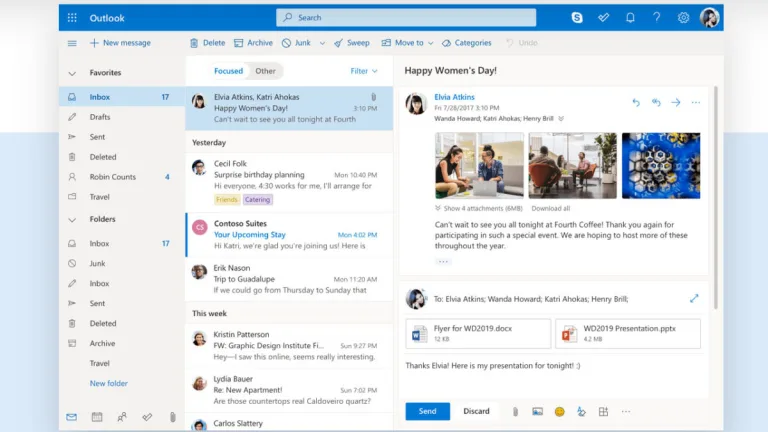
Microsoft Outlook is strongest when the inbox needs a repeatable triage loop: sort, act, and archive without losing context. Quick Steps can bundle actions like filing, forwarding, and templated replies into one click, which saves time during ticket bursts. Categories add lightweight tagging that works well for cross-project reporting. The tradeoff is that strict organization takes setup, and messy shared inbox policies can confuse teams. Compared with Gmail, it favors explicit control over automation; compared with Thunderbird, it offers tighter scheduling links. That makes audits and handoffs easier to manage.
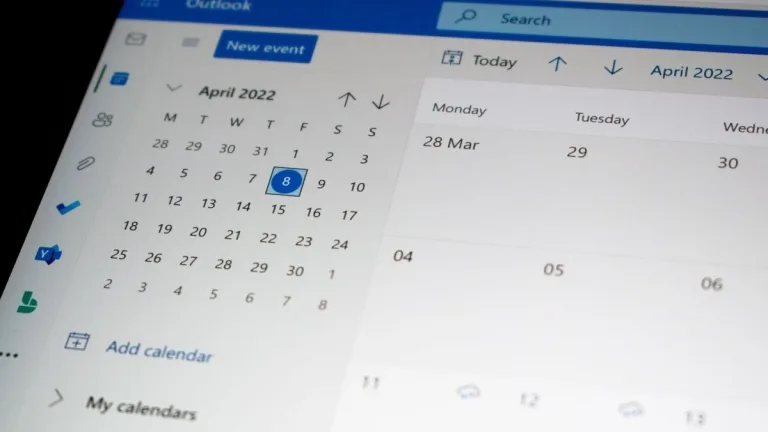
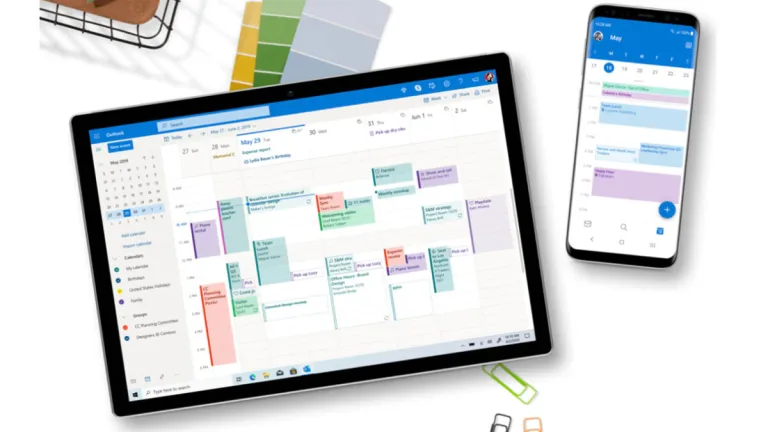
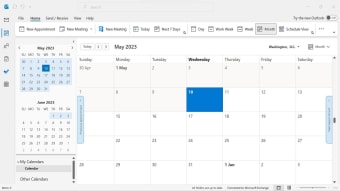
Beyond mail triage, the calendar layer is where coordination either holds or falls apart. Shared calendars let teams see availability and avoid double-booking without long email chains. Meeting updates and cancellations stay attached to the same thread, which reduces missed changes during fast reschedules. The downside is that inconsistent access settings can cause free/busy gaps that look like conflicts. For lighter needs, Google Calendar plus Gmail can be enough, but it’s harder to keep messages, tasks, and meeting context together. That integration matters most in high-volume, deadline-driven teams.
When bandwidth is limited, consistency depends on what can be kept locally and what must wait for sync. Offline access helps keep recent mail and the schedule usable during travel or outages, then reconciles changes once the connection returns. The upside is fewer workflow breaks; the downside is that large archives can take time to refresh and may lag behind server changes. If a simpler client is preferred, Spark or Mailbird can feel faster, but they may lack the same enterprise-grade controls for regulated teams with strict retention needs.
A reliable hub for daily messaging
Microsoft Outlook remains a strong choice for professionals who need email and scheduling to stay organized under heavy volume. It supports consistent workflows for triage, meeting coordination, and long-running projects, while keeping communication history easy to audit. Setup and governance still matter, especially for shared environments, but the payoff is predictable day-to-day operation. Recommended for teams that value control, accountability, and stable performance over trend-chasing extras in regulated workplaces and fast-moving support queues.









.png)